Introduction
In an increasingly complex business world, understanding the mechanisms of risk management is crucial for success. One of the key instruments that can help businesses mitigate financial risks is a performance bond. This article delves into the multifaceted world of performance bonds, exploring their purpose, types, benefits, and much more. Whether you are a contractor, project owner, or simply someone looking to expand your knowledge in this area, this comprehensive guide will equip you with the insights needed to navigate the intricacies of performance bonds effectively.
What Are Performance Bonds?
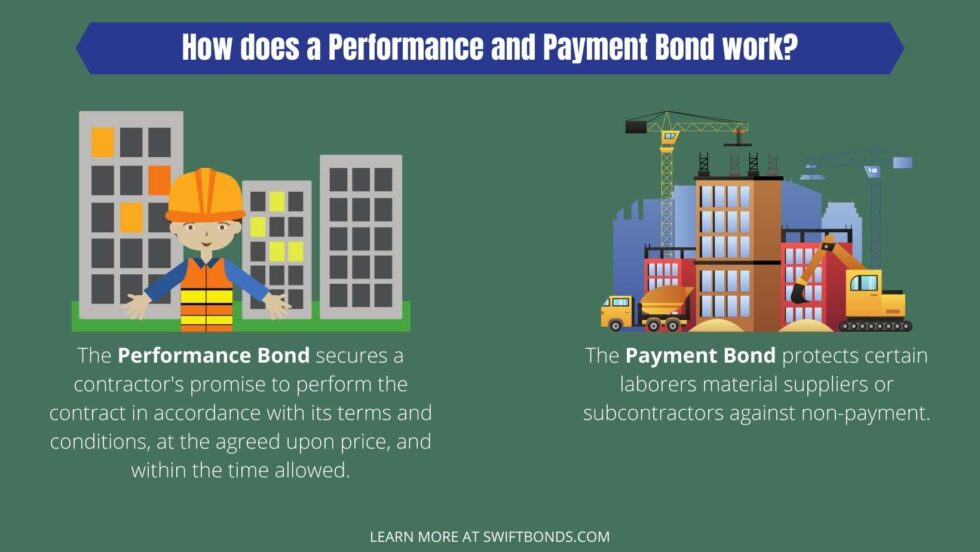
Performance bonds are guarantees provided by a third party—typically a surety company—that ensure contractual obligations are fulfilled. They serve as a safety net for project owners against potential losses due to non-performance by contractors. Essentially, when a contractor fails to deliver on agreed terms, the bond compensates the project owner for financial losses up to the bond amount.
The Importance of Performance Bonds in Construction
Construction projects often involve substantial investments and deadlines. A performance bond offers peace of mind to project owners by assuring them that their investment is protected. It acts as a financial safeguard against contractor defaults and unanticipated issues that may arise during project execution.
How Do Performance Bonds Work?
When a contractor secures a performance bond, they pay a premium to the surety company. In return, the surety guarantees that if the contractor fails to meet their obligations, they will step in to fulfill those duties or compensate the affected parties. The amount covered by the bond varies based on project size and complexity but generally ranges from 10% to 100% of the contract value.
Types of Performance Bonds
Understanding the different types of performance bonds is vital for making informed decisions. Each type serves specific needs based on industry requirements.
1. Contract Performance Bonds
These are commonly used in construction projects and ensure that contractors complete their work according to agreed-upon terms.
Benefits of Contract Performance Bonds
- Protects project owners from financial loss Ensures timely project completion Enhances contractor credibility
2. Maintenance Bonds
Maintenance bonds guarantee that any defects or issues arising after project completion will be rectified within a specified timeframe.
Key Features
- Typically cover one year post-project completion Provide assurance regarding workmanship quality Encourage responsible behavior among contractors
3. Bid Bonds
Bid bonds assure project owners that bidders will honor their proposals and enter into contracts if awarded.
Why Choose Bid Bonds?
- Discourages frivolous bidding Provides financial backing for serious bidders Helps maintain integrity in competitive bidding processes
4. Supply Bonds
Supply bonds guarantee that suppliers will deliver materials as per contract specifications.
Importance in Supply Chains
- Protects buyers from supplier defaults Secures timely delivery and quality assurance Strengthens relationships between suppliers and buyers
The Role of Sureties in Performance Bonds
Sureties play an essential role in facilitating performance bonds. Understanding how they operate can aid businesses in navigating these agreements more efficiently.
What is a Surety?
A surety is usually an insurance company that underwrites performance bonds. They evaluate contractors' financial stability and track records before issuing bonds.
How Sureties Assess Risk
Sureties use various factors such as credit scores, business history, and project experience to assess risk levels associated with issuing a bond.
The Process of Obtaining a Performance Bond
Obtaining a performance bond involves several steps that may vary depending on specific circumstances.
Step 1: Evaluate Your Needs
Identify what type of bond you require based on your project's size, scope, and industry standards.
Step 2: Choose a Reputable Surety Company
Research different surety companies and select one with strong reputation and favorable reviews from previous clients.
Step 3: Complete Application Forms
Fill out necessary application forms provided by the surety company, detailing your business history and financial standing.
Step 4: Undergo Evaluation Process
Expect an evaluation process where sureties assess your qualifications based on creditworthiness and past performances.
Step 5: Receive Bond Offer
Once evaluated favorably, you’ll receive an offer detailing premium costs and coverage amounts—review it carefully before proceeding.
Factors Influencing Performance Bond Costs
Understanding what influences performance bond costs can help businesses budget effectively without compromising coverage quality.
1. Credit Score
A higher credit score typically results in lower premiums as it indicates lower risk for sureties.
2. Project Size
Larger projects generally entail higher bond amounts due to increased risk exposure for sureties.
3. Industry Type
Certain industries may have higher default rates than others; thus affecting bonding costs accordingly.
Benefits of Using Performance Bonds in Projects
Implementing performance bonds provides numerous advantages across various sectors:
1. Financial Security
They offer financial protection against potential losses resulting from contractor failures or delays.
2. Enhanced Credibility
Having a performance bond can enhance your credibility as it demonstrates commitment towards fulfilling contractual obligations.
3. Risk Mitigation
Performance bonds significantly reduce risks associated with non-completion or subpar work quality.
Challenges Associated with Performance Bonds
While beneficial, there are some challenges linked with obtaining and managing performance bonds:
1. Cost Considerations
Premiums can add significant costs; thus careful budgeting is essential.
2. Complexity in Terms
Navigating through legal jargon related to bonding agreements can be daunting without proper guidance.
Performance Bonds vs Other Financial Instruments
Comparing performance bonds with other risk management tools reveals unique characteristics:
| Feature | Performance Bond | Insurance | Letter of Credit | |---------------------------|-----------------------|------------------------|-------------------------| | Purpose | Guarantees contract fulfillment | Covers unforeseen events | Guarantees payment | | Provider | Surety Company | Insurance license and permit bonds for contractors Companies | Banks | | Claim Process | Direct compensation | May involve investigation | Straightforward claims | | Cost | Premium-based | Premium-based | Fees charged |
FAQ Section
1. What is the primary purpose of a performance bond?
The primary purpose is to protect project owners from financial loss caused by contractor defaults or failures to meet contractual obligations.
2. How long does it take to obtain a performance bond?
Typically between one week to several weeks depending on various factors including documentation readiness and evaluation processes by sureties.
3. Are all contractors required to obtain performance bonds?
Not necessarily; it's often mandated by public contracts but not always required for private projects unless stipulated otherwise by clients.
4. Can I get bonded even with poor credit?
Yes; while poor credit might lead to higher premiums or difficulty securing coverage altogether—some sureties specialize in high-risk cases offering alternative options like co-signer agreements or collateralization strategies instead!
5. What happens if there's a claim against my performance bond?
If there's valid claim made due to contract breach—the surety investigates claims before paying out compensations up until maximum coverage limit set forth initially upon issuance!
6.Do all states have similar bonding requirements?
No; bonding requirements vary significantly across states (and even municipalities), so it’s crucial always check local regulations applicable specifically within jurisdiction where projects occur!
Conclusion
In conclusion, understanding "Performance Bonds: Essential Tools for Risk Management" equips businesses with necessary insights needed navigate complexities surrounding these agreements successfully! By leveraging various types available—from contract indemnities through supply guarantees—organizations effectively mitigate potential risks while enhancing overall credibility amongst stakeholders involved throughout each phase life-cycle executed within industry sectors alike! Always consult professionals specialized area before making commitments ensuring optimal decision-making every time!