Introduction: The Importance of Understanding State-Specific Requirements
In the complex world of contracting, one size definitely does not fit all. Each state in the U.S. has its own set of rules and regulations that govern contracting work, making it crucial for contractors to understand what’s required in their specific region. Whether you’re a seasoned contractor or just starting out, familiarizing yourself with these state-specific requirements can save you time, money, and legal headaches down the road.
Navigating through licenses, bonding, insurance requirements, and more may seem daunting at first glance. However, understanding why these elements are significant will empower you to operate legally and effectively within your chosen state. In this comprehensive article, we’ll explore various state-specific requirements for contractors across the United States, offering insights that will help you thrive in your contracting business.
Exploring State-Specific Requirements for Contractors
Every state has its own licensing boards and regulations that dictate how contractors must operate. This creates a patchwork of requirements that can vary significantly from one location to another. For example, some states require general contractors to obtain licenses while others have different criteria for specialized trades like plumbing or electrical work.
Why is Licensing Important?
Licensing is not just a bureaucratic hurdle; it's designed to protect consumers from unqualified individuals performing potentially dangerous work. Each licensed contractor has demonstrated a baseline level of competency in their trade.
- Consumer Protection: Licensed contractors are held accountable for their work. Legal Compliance: Operating without a license can lead to fines and legal action. Marketability: Being licensed enhances your credibility with potential clients.
Bonding: What is it and Why Does it Matter?
Being "bonded" means that a contractor has secured a bond through an insurance company that protects clients against financial loss if the contractor fails to complete the job or meet contractual obligations.
Types of Bonds:
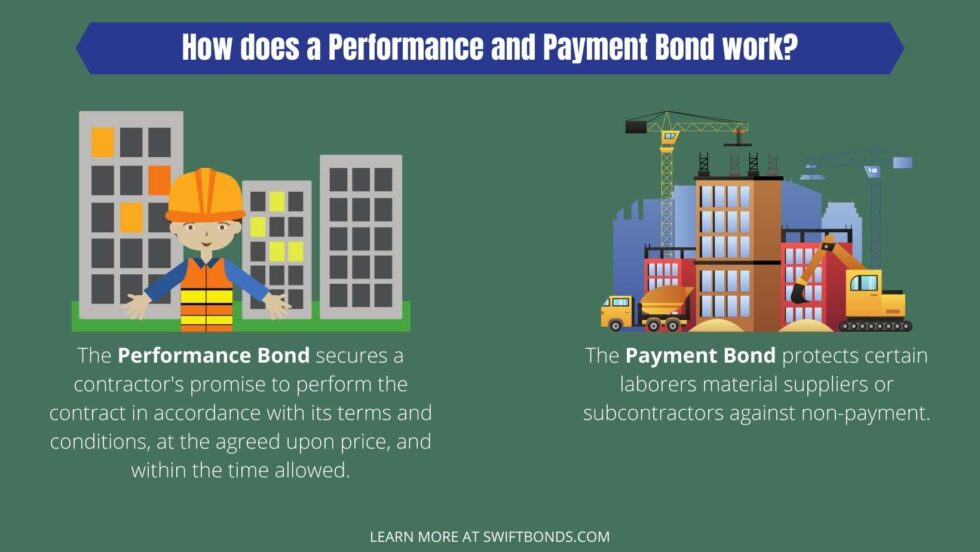
Contractor License Bonds Performance Bonds Payment BondsUnderstanding the type of bonds required in your state can improve your ability to secure contracts and assure potential clients that you’re financially stable.
Insurance: Protecting Your Business and Clients
Being "insured" refers to having liability insurance which protects both your business and your clients should something go wrong during a project.
Common Types of Insurance Required:
- General Liability Insurance Workers’ Compensation Insurance Commercial Auto Insurance
Having adequate insurance coverage is not only crucial for protecting yourself but also helps build trust with your clients.
State-by-State Breakdown of Contractor Requirements
Let’s delve deeper into the licensing, bonding, and insurance requirements by exploring several states' specific regulations.
California: A Comprehensive Overview
California is known for its rigorous licensing standards due to its large population and diverse contracting needs.
Licensing Requirements:
To operate legally as a contractor in California:
You must pass an examination. Provide proof of at least four years of experience. Submit fingerprints for background checks.Bonding Requirements:
California requires contractors to maintain a $15,000 contractor's bond.
Insurance Needs:
General liability insurance is mandatory with minimum coverage amounts varying based on contract value.
Texas: Streamlined Regulations
As one of the largest states in the U.S., Texas offers more streamlined regulations compared to California.
Licensing Details:
Texas does not require general contractors to be licensed at the state level; however:
Specialty trades do need licenses (plumbers, electricians). Local municipalities may impose additional regulations.Bonding Information:
There are no statewide bonding requirements; however, certain municipalities may require them.
Insurance Essentials:
While general liability insurance isn’t mandated by law for all contractors, it is advisable due to potential risks involved in construction projects.
Essential Elements of Becoming Licensed Bonded Insured
Understanding how to become "licensed bonded insured" involves navigating through multiple steps:
Step 1: Obtaining Your License
The initial step towards legitimacy is acquiring the appropriate license(s) as per your state's laws:
- Research local licensing boards. Fill out application forms accurately. Prepare for any required examinations (if applicable).
Step 2: Getting Bonded
Once licensed:
Contact surety companies specializing in contractor bonds. Submit necessary documentation like credit history. Pay any associated fees.Step 3: Securing Insurance Coverage
Lastly:
Common Misconceptions About Contractor Licensing & Bonding
Let’s address some common myths surrounding licensing and bonding:
Myth 1: All States Have Uniform Licensing Requirements
This couldn’t be further from reality! Each state has unique criteria based on local regulations designed specifically for consumer protection within that area.
Myth 2: Being Bonded Equals Being Insured
While being bonded provides financial security against incomplete work or non-compliance issues, it does not replace comprehensive insurance which covers liabilities resulting from accidents or damages on-site.
The Role of Continuing Education in Contractor Compliance
To maintain licensure and stay updated on changes within industry regulations:
Importance of Ongoing Training
Regular continuing education ensures that contractors remain informed about new technologies, safety practices, and regulatory updates affecting their trade—ultimately benefiting both themselves and their clients!
FAQ Section
Q1: What types of projects require licensed contractors?
A1: Most residential remodels or commercial constructions typically require licensed professionals due to health codes and safety standards imposed by local authorities.
Q2: How long does it take to get licensed?
A2: It varies by state but can range from several weeks up to several months depending on processing times and examination schedules.
Q3: Can I work as an unlicensed contractor?
A3: Technically yes; however operating without proper licensure exposes you to significant financial risks including fines or legal actions if disputes arise with clients over project quality or completion issues!
Q4: Is bonding mandatory everywhere?
A4: No; bonding requirements vary significantly across states so always verify what's needed where you plan on working!
Q5: Are there penalties for working without proper insurance?
A5: Absolutely! Not only could you face fines but should an accident occur during operations—without coverage—you could be held personally liable leading potentially devastating financial consequences!
Q6 : How often should I review my insurance coverage?
A6 : Regular yearly reviews are recommended especially if there's been significant growth/change in scope within your contracting business!
Conclusion
Understanding “Exploring State-Specific Requirements for Contractors” is critical for anyone looking to succeed in this competitive field while ensuring compliance with all relevant laws governing their activities—whether they’re general contractors or specialized tradespeople like electricians or plumbers!
By being "licensed bonded insured," you're not just meeting legal obligations; you're also establishing trustworthiness among clients who want assurance their projects will be handled cost of license and permit bonds professionally—and safely! license and permit bonds Therefore invest time into researching thoroughly about each unique requirement per state before embarking on any new endeavors within construction industries across America—it’ll pay off immensely down the line!